Tel.: +86 136 7029 7045


- Home
-
Solutions
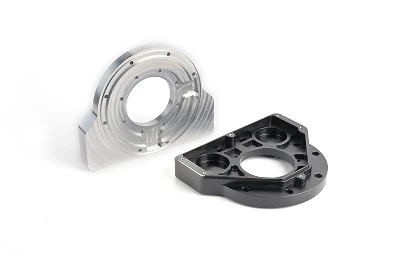
Jan.01,1970
TC Precision Engineers More Durable Balloon Mold for 24,000+ Hours of Reliable ProductionEstablished to better serve international customers, our Shenzhen office focuses on engineering communication, design collaboration, project coordination, and professional support before production begins.
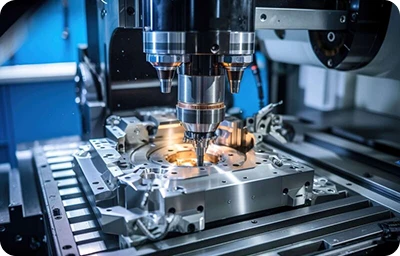
Jan.01,1970
TC Precision Engineers More Durable Balloon Mold for 24,000+ Hours of Reliable ProductionEstablished to better serve international customers, our Shenzhen office focuses on engineering communication, design collaboration, project coordination, and professional support before production begins.
Jan.01,1970
TC Precision Engineers More Durable Balloon Mold for 24,000+ Hours of Reliable ProductionEstablished to better serve international customers, our Shenzhen office focuses on engineering communication, design collaboration, project coordination, and professional support before production begins.
Jan.01,1970
TC Precision Engineers More Durable Balloon Mold for 24,000+ Hours of Reliable ProductionEstablished to better serve international customers, our Shenzhen office focuses on engineering communication, design collaboration, project coordination, and professional support before production begins.
- Prototype Development
-
Industries
Jan.01,1970
TC Precision Engineers More Durable Balloon Mold for 24,000+ Hours of Reliable ProductionEstablished to better serve international customers, our Shenzhen office focuses on engineering communication, design collaboration, project coordination, and professional support before production begins.
Jan.01,1970
TC Precision Engineers More Durable Balloon Mold for 24,000+ Hours of Reliable ProductionEstablished to better serve international customers, our Shenzhen office focuses on engineering communication, design collaboration, project coordination, and professional support before production begins.
- Case Studies
- About Us
- Engineering Resources